
FinOps, as a term, is a combination of Finance and DevOps, as it brings together the business and engineering sides of an organisation for collaboration. Often thought of as Financial Operations, it is better defined as a cloud financial management discipline and culture.
In our last blog post, Introducing FinOps, we went over the six key principles of FinOps and the three phases of FinOps management: Inform, Optimise and Operate. To explore those themes and some tips straight from our Azure Expert, Anthony Cooke, take a read of that post, here.
In this post, we are going to look at why you should implement FinOps along with some specific headwinds of 2023, making it a topic worth investigating. As well as some of the Microsoft tools available for cost-savings and implementation of an effective FinOps strategy in your organisation.
Cloud adoption and the usage of cloud technologies continue to grow across all organisation sizes and markets. One of the biggest challenges a company faces when adopting cloud technologies is switching from a traditional CapEX (Capital Expenditure) spending model to OpEx (Operating Expenditure), meaning cloud spend is tied to day-to-day operational spending instead of larger one-time purchases every few months or years.
The change in cost model introduces its own challenges for organisations, including unpredictable bills, spiralling costs, and cost inefficiencies due to waste. Due to the aforementioned challenges, it’s important that cloud spend is monitored and controlled correctly and that’s where FinOps can help.
FinOps is a set of practices and processes aimed at optimising cloud costs and maximising the value delivered by cloud services. FinOps combines principles of financial management, cloud operations, and cloud governance to help organizations understand and manage the financial impact of their cloud usage.
The goal of FinOps is to create a culture of accountability and collaboration between IT, finance, and business teams, allowing them to make data-driven decisions about cloud usage, optimise spending, and align cloud resources with business objectives. FinOps involves monitoring and analysing cloud costs, identifying cost drivers, and implementing policies and tools to optimise cloud usage and reduce waste.
In short, FinOps is a framework that helps organizations manage their cloud costs effectively, enabling them to make informed decisions about cloud investments and usage, and ensuring that they are getting the most value from their cloud resources.
With pressing assignments, underway projects and a task list up to the roof, you may be wondering why you should use your valuable time to focus on FinOps.
If you are like many organisations, you have been steadily moving your workloads to the cloud, partly for the opportunity for innovation it provides and partly for the promise of cost-savings over the traditional method of on-premises infrastructure. However, though the security, scalability and avenues for innovation have certainly delivered, the promised savings may not be in sight. If you’re overspending, looking at budget caps in your rearview mirror and wondering where the unplanned for costs are coming from, you are not alone.
This is exactly what many organisations are experiencing and with cloud usage decentralised across departments, it can be difficult to isolate where the overspend is occurring and who is responsible for resolving it.
FinOps is designed to help disparate teams speak the same language and manage costs without limiting or adding obstacles to the cloud. After all, there is no point in implementing this if it negates the innovation benefits of being in the cloud in the first place. If you want to continue with cloud uptake, usage, and innovation, then FinOps is a necessity, not a luxury.
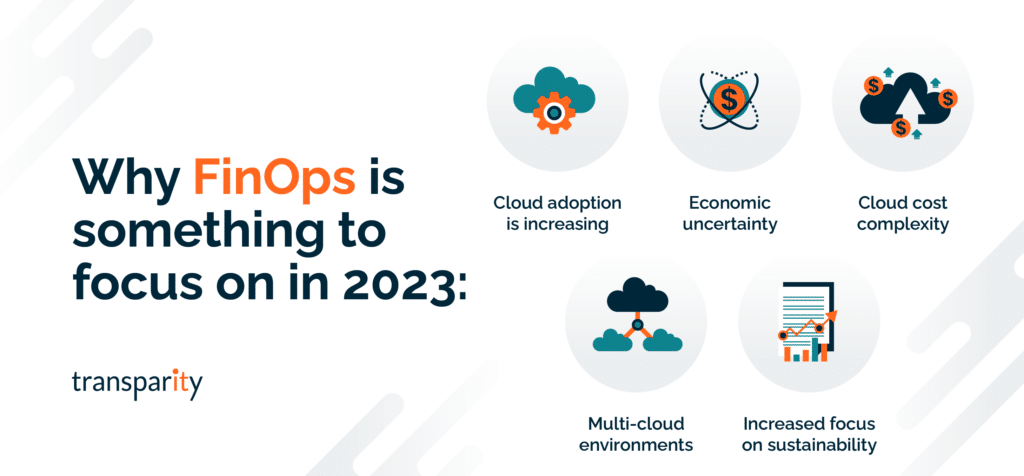
Though cloud financial management is never going to be unnecessary, with certain economic factors this year and a change in IT budgets and spending now is a very appropriate moment to be focussing on this topic.
The range of discounts and tools available for cloud cost savings and optimisation is vast. Microsoft Azure alone provides a comprehensive set of tools and services to help organizations implement FinOps practices and if you are not making use of these, just this missing step alone is money going down the drain.
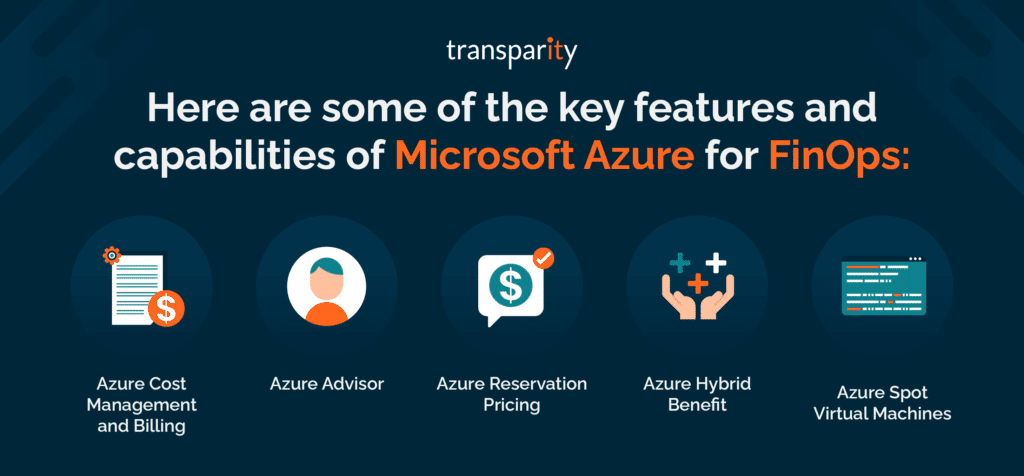
As a Microsoft Partner, we’d like to highlight just some of what is to offer for managing your cloud costs effectively within Azure. Here are some of the key features and capabilities of Microsoft Azure for FinOps:
Overall, Microsoft Azure provides a robust set of tools and services to help organisations implement FinOps practices and manage cloud costs effectively. By leveraging these tools and services, organisations can optimise their cloud usage, reduce costs, and get the most value from their cloud investments.
There are many aspects to FinOps – remember it is a cultural practice, so the use of these tools alone is just one angle to address. Nevertheless, it can be a great place to start for quick cost-saving wins.
With a team of experts dedicated to infrastructure and the Azure cloud, our specialists have designed a full offering to help any organisation, no matter at what place in the journey, understand and implement FinOps. If you are interested in cost-optimisation and better cloud financial management, why not get in touch and find out how we can help.